
Custom Garage Doors
A custom garage door is not just a “better-looking” version of a standard door. In practice, custom means tailoring the door system to the home, the opening, the climate, the daily use of the garage, and the owner’s priorities for appearance, insulation, durability, maintenance, and budget. For some homeowners, that means building a carriage-house look that matches the architecture. For others, it means dialing in practical details like steel construction, window placement, insulation value, wind resistance, opener compatibility, or clearance requirements.
That is why custom garage door planning should start with more than color swatches and panel samples. The right result comes from understanding how the door will perform over time, how it will look from the street, and how it will fit the way the garage is actually used.
Want to jump ahead to our 6 point homeowners guide on what you should expect of a professional design and install company?
What “Custom” Really Means in Garage Door Design
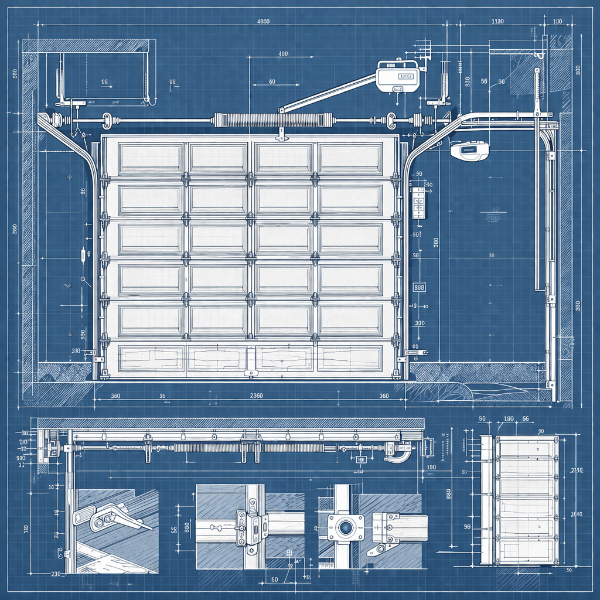
Many homeowners hear the word custom and immediately think expensive or decorative. Sometimes it is decorative, but that is only part of the equation. A custom garage door can involve:
- door size and configuration
- panel design and profile
- steel thickness and construction
- insulation package
- window layout and glass type
- color, finish, or woodgrain appearance
- track, spring, and opener setup
- hardware and trim details
- specialty needs for attached, detached, residential, or light commercial applications
In other words, custom is about fit and intent. A garage door that looks great but does not suit the structure, the climate, or the homeowner’s daily use is not really a successful custom solution.
Start With the Purpose Before the Appearance

The best planning process begins with how the garage will function. Is it primarily for vehicle storage? Is it also a workshop, hobby space, home gym, or multi-use utility area? Does the homeowner want more daylight inside? Is energy efficiency important because the garage is attached to the house? Are durability and low maintenance more important than high-end decorative details?
These questions matter because the answers drive the major selections. A detached outbuilding may allow more flexibility in door style and glazing. An attached garage often calls for more attention to insulation, air sealing, and noise control. A homeowner who uses the garage as a workspace may prioritize windows and thermal performance, while another may want maximum privacy and security.
This is also where broader planning conversations belong. If a homeowner is still thinking through the larger garage project, C & M’s guide on how to plan for a new garage build is a useful resource because it touches on budget, garage size, style, and attached versus detached design decisions.
Balancing Aesthetics, Performance, and Budget
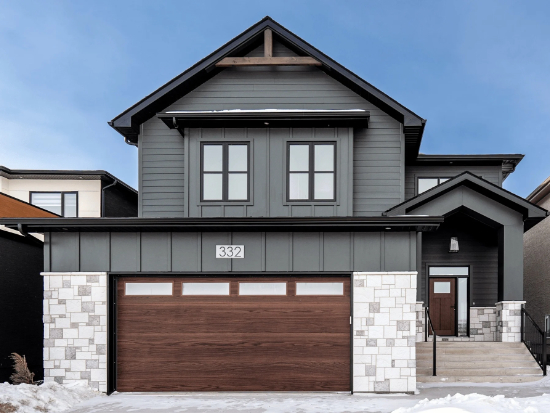
A custom garage door should complement the house, but it also has to justify its cost in long-term performance. That balance is where good planning separates a smart investment from an impulse purchase.
From a design standpoint, the garage door occupies a large amount of visual space on many homes. Panel profile, color, glass, and hardware all have a major impact on curb appeal. A sleek flush door with narrow windows creates a different impression than a raised-panel steel door or a carriage-house design with decorative hardware.
From a performance standpoint, material choice is critical. Steel remains one of the strongest options for homeowners who want durability, low maintenance, and broad design flexibility. A well-selected steel door can deliver a custom look without the upkeep demands that often come with natural wood products. For Northern Colorado homeowners, that matters. Temperature swings, sun exposure, wind, and seasonal weather all put demands on exterior components, and the garage door is no exception.
Budget should be addressed early, not after selections have already been made. The most effective custom door plans identify which features are must-haves and which are optional upgrades. Insulation, construction quality, and correct installation usually deserve priority over purely cosmetic add-ons. A beautiful door that is poorly matched to the opening or underspecified for the environment can become an expensive disappointment.
Material and Style Selection Is More Than a Catalog Exercise
One of the biggest advantages of working with an experienced local installer is access to a wide range of manufacturers, configurations, and finishes. C & M is a leader in Greeley and Loveland for new garage door installations and we work with a broad selection of styles to fit different homes and budgets.
For homeowners, the selection process usually comes down to a few major categories:
Traditional steel doors
These are often the most versatile option. They can be configured in raised-panel, recessed-panel, shaker, flush, or carriage-inspired designs and are available in many factory finishes and colors.
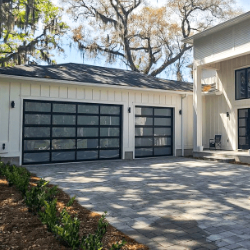
Contemporary and full-view doors
These work well on modern homes and garages that benefit from additional natural light. Glass and aluminum combinations can make a strong architectural statement, but they should be chosen carefully with privacy, orientation, and energy performance in mind.
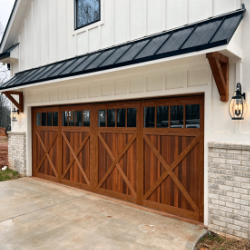
Carriage-house looks
These remain popular because they add depth and character. Many homeowners want the appearance of old-world swing-out doors while keeping the convenience of modern sectional operation.
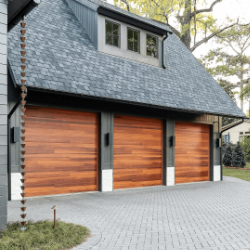
Wood-tone and specialty finishes
These have been super popular lately and are much less expensive that carriage doors. They are ideal for homeowners who want warmth and texture without the maintenance obligations of real wood.
The right choice depends on the home’s architecture, the homeowner’s maintenance expectations, and how aggressively the exterior will be exposed to weather and sun.
Environmental and Site Considerations in Northern Colorado
Garage door customization should also reflect local conditions. Colorado homeowners are not making decisions in a vacuum. Climate, sun exposure, wind, dust, and seasonal temperature changes all affect what works best over time.
Insulated doors often make sense for attached garages and for homeowners who spend time working in the space. Even when the garage is not fully conditioned, better insulation can help moderate temperature swings and improve comfort. Finish selection also matters. Dark colors, faux-wood tones, and glass-heavy designs may look excellent, but they should still be evaluated in the context of orientation, heat gain, and long-term maintenance.

Wind exposure is another practical issue. Some homes, especially in more open areas, may require extra attention to reinforcement and overall door construction. Track setup, spring sizing, opener selection, and installation quality all matter just as much as the door slab itself.
This is why custom planning should never stop at the brochure. Site conditions have to be part of the conversation.
What Homeowners Should Expect From the Process
A professional custom garage door process should feel structured, not overwhelming. In most cases, it should include:
That kind of process protects the homeowner from making a decision based only on appearance. It also helps avoid common problems like underinsulated doors, mismatched designs, impractical window placement, or upgrades that add cost without real value.
The Installation Matters as Much as the Door
A truly custom result depends on correct measuring, correct product selection, and correct installation. Homeowners sometimes focus so heavily on style that they underestimate the importance of fit, balance, and hardware configuration.
Want to setup a free onsite evaluation and design consultation?
Talk through options for style, insulation, and performance with a local expert.Call Now: (970) 663-7335
Garage doors are large moving systems under tension. Spring design, track alignment, panel fit, seal placement, opener pairing, and safety setup all affect how the door performs. Even a high-end custom door can operate poorly or wear prematurely if the installation is wrong.
That is one reason local expertise matters. A company that regularly handles installations across Loveland, Greeley, and the broader Northern Colorado area can help homeowners think through the real tradeoffs instead of selling a door based on appearance alone.
Choosing the Right Custom Door for the Home
The best custom garage door is the one that fits the house, the climate, and the homeowner’s actual priorities. It should look intentional, operate reliably, and hold up to years of daily use. For some homes, that means a clean insulated steel door with subtle design details. For others, it means a bold modern or contemporary statement piece. Either way, the goal is the same: a door system that performs as well as it looks.

For homeowners in Loveland, Greeley, and the surrounding Northern Colorado communities, the value of working with a local company is having someone who can guide the process from planning through final installation. When custom really means tailored performance instead of guesswork, the result is a garage door that adds lasting function, curb appeal, and value.