
The 5 Sounds Your Garage Door Makes - And What Each One Means
The garage door is a workhorse that most homeowners take for granted. We arrive home, the garage door opens silently and smoothly, we get into the house safely, and the door closes behind us quietly and uneventfully. But what if, during the operation of the door, you hear sounds you're not familiar with? Sounds that weren't there before? In this post, the team at C&M Garage Door Company in Loveland takes a look at the 5 sounds your garage door makes and what each one means.
Table of Contents
5 Sounds Your Garage Door Might Make
If your garage door is healthy and working as it should, most brands sound like the following
#1: A Grinding Sound
The grinding sound is one sound you simply can't ignore. Nothing about it seems normal. It's typically rough, often metallic in nature, and loud enough to let you know in no uncertain terms that something's not right. If your door starts to sound like its eating gravel, there are several likely causes:
What Causes a Grinding Sound?
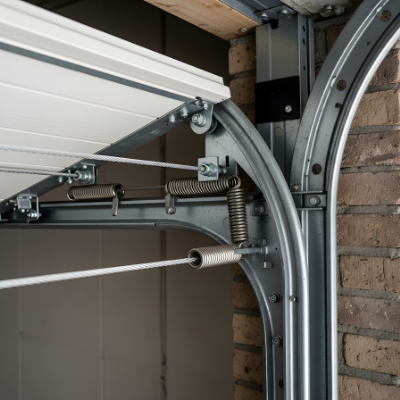
- Dry rollers: The rollers enable the door to move along the tracks smoothly and quietly. When they dry out or if there's dirt and debris in the track, they'll make a grinding sound.
- Misaligned tracks: Tracks can sometimes become misaligned due to being accidentally struck or because of extreme temperature changes. When this happens, the rollers inside the track will make a grinding sound.
- Worn bearings: The garage door opener has bearings inside that help it run smoothly. If the bearings are worn out, you may hear a grinding sound.
How To Address a Grinding Sound
- If the grinding sound is coming from the rollers, have them lubricated.
- If the grinding sound is the result of the track being misaligned, call C&M, and we'll realign them for you.
- If the grinding sound is coming from the motor, C&M provides expert garage door repair that rectifies the problem.
#2: A Loud Bang
The loud bang typically happens without warning, usually while opening or closing the door. As a result, the door may act differently after you hear the bang.
What Causes a Loud Bang?
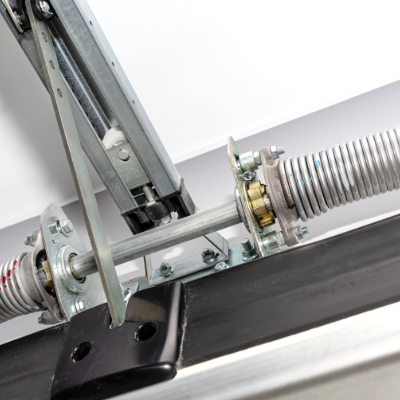
- A broken spring: The torsion springs do the heavy lifting on a garage door. When one breaks, it will produce a loud, sudden bang, and the door may hang differently afterward.
- A loose panel: When panels are loose, they may shift while the door is in motion, creating a bang - albeit a quieter bang than when a spring breaks.
How To Address a Loud Bang
- If the loud bang is caused by a broken torsion or extension spring, call the team at C&M. We provide expert spring replacement services. Do NOT under any circumstances try to repair the spring yourself.
- If the springs are sound and the bang is being produced by loose panels, take some time and inspect the panels. If you find one or more are loose, try tightening the screws that hold them in place. If that doesn't work, call C&M.
#3: A High-Pitched Squeak or Squealing Sound
If your garage door has taken to squeaking and squealing every time you open and close it, it's usually a sign that there is friction somewhere in the components that make up the door.
What Causes Squeaking and Squealing Sounds?
- Parts need to be lubricated: This is by far the most common cause for squeaking and squealing sounds coming from your garage door.
- Worn-out hinges: The hinges enable the panels to "turn" from vertical to horizontal. Over time, they can loosen or develop a squeaky wobble.
- Temperature-related metal expansion: Metal is susceptible to temperature changes. When it's hot, the metal hinges and other components of the door can expand. When they do, they can squeak when the door moves.
How To Address Squealing and Squeaking
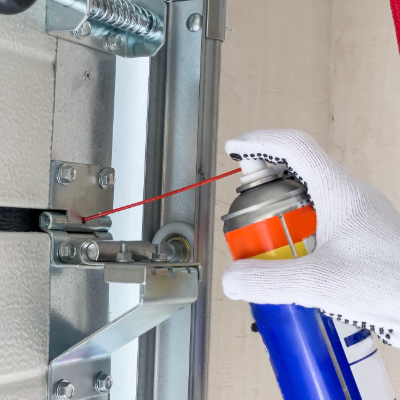
- If your door is squealing and squeaking, get a silicone-based garage door lubricant and apply a thin coating to all the moving parts of the door. Then run the door.
- Should the squealing continue, look closely at the hinges and rollers. If they seem worn or out of line, they may need to be replaced. Call the team at C&M Garage Doors.
Not Sure What That Noise Means?
When in doubt, pause operation and have a professional inspect your system before using it again.Schedule Garage Door Service
#4: Rattling Noises
Most of the time, overhead doors run smoothly and efficiently. Over time, however, they may begin to vibrate. This can be a disconcerting sound because it's hard to tell whether it poses a safety threat.
What Causes Rattling Noises?
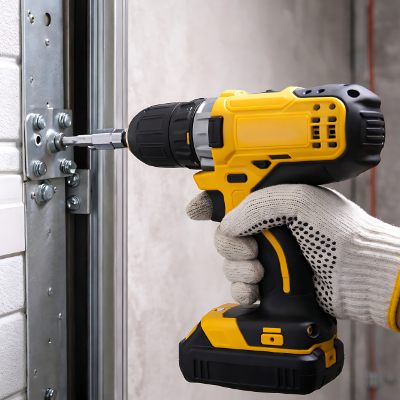
- Loose nuts or screws: Your garage door is held together by scores of nuts, bolts, and screws. Over time, these can become loose. When they do, the door may begin to rattle.
- A loose opener chain: Just like the chain on your bicycle, the garage door chain can become slack over time. When this happens, it may slap against the rail, causing a rattling sound.
- Old openers: It's not unusual for old openers to develop play in their internal parts. This can sometimes create a rattling noise.
How To Address Rattling Sounds
- Tighten any loose fasteners: Inspect the entire door looking for any loose screws, nuts, and bolts. Tighten any that you find, being careful not to overtighten and strip the threads. Then run the door.
- Check the opener chain: You may be able to correct the tension on your opener chain, as many modern openers have an adjustment nut. If yours does, tighten it and run the door to see if that takes care of the problem.
- Replace the opener: If the opener continues to rattle after adjusting the chain, the noise may be coming from inside. In which case, you should call C&M and ask about garage door opener replacement.
#5: A Clicking Sound
Clicking sounds can be subtle but shouldn't be ignored, as they often signal electrical problems with the door.
What Causes Clicking Sounds?
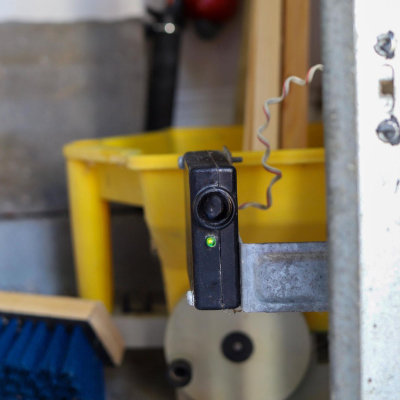
- Misaligned safety sensors: Your door has photo-eye sensors that are essential safety components. If they become misaligned, they may start to emit a clicking sound.
- Opener relay issues: If the clicking is coming from inside your opener, it may indicate problems with the relay switch.
- An old opener: Sometimes when openers age, their various components can degrade, causing clicking sounds to come from the opener.
How To Address Clicking Sounds
- Clean the photo eye sensors: This sometimes fixes the problem.
- Call the team at C&M: If the clicking sounds are coming from your opener, it's time to call C&M for expert garage door repair.
Call C&M
If your garage door is making unusual sounds, you can apply some of the DIY suggestions we provided above or call C&M, the most trusted garage door installation company in Loveland.